The leaving of Ahakista

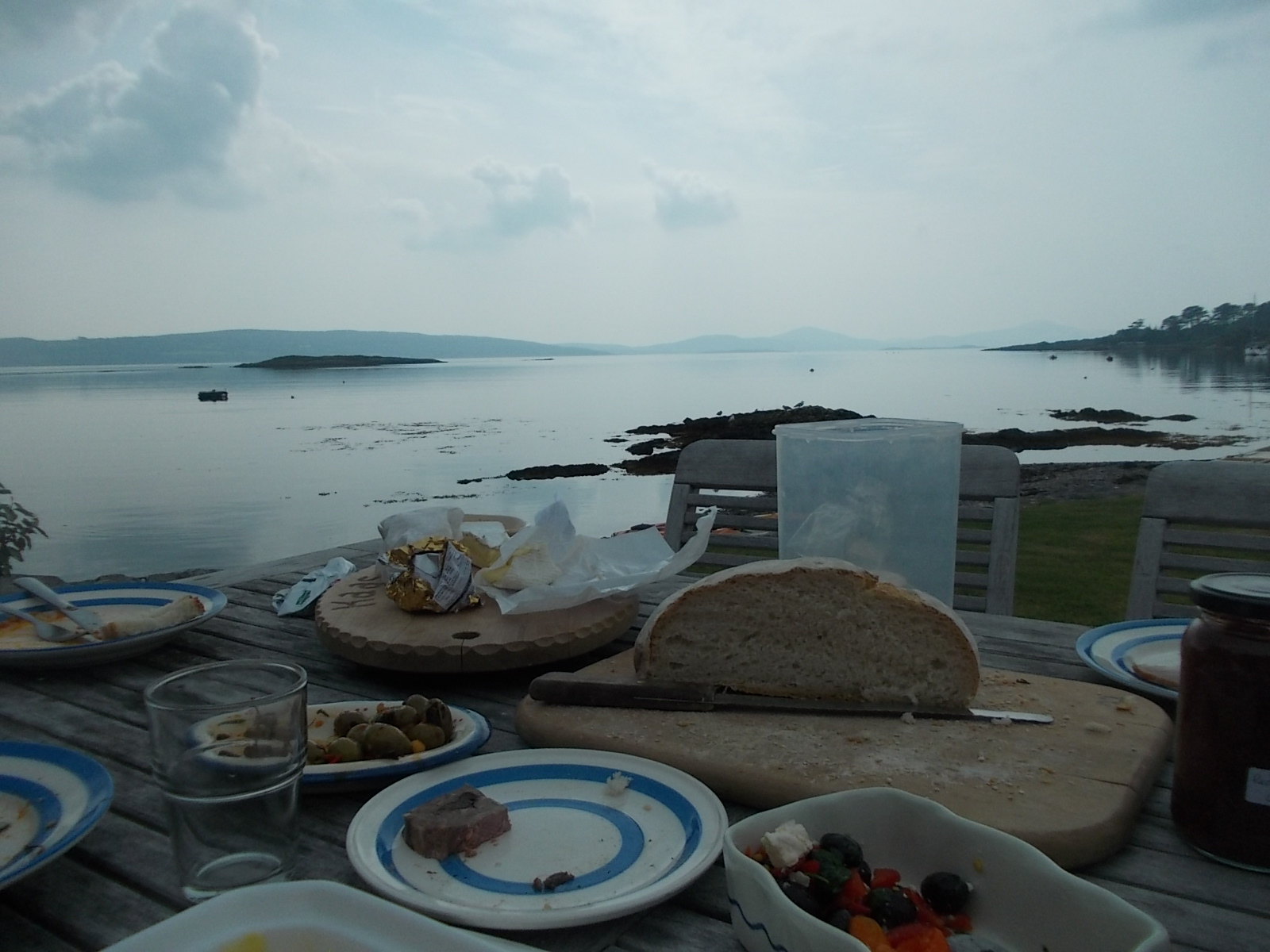
It can be hard, very hard, leaving Ahakista on a Sunday morning to come back to Birkenhead.

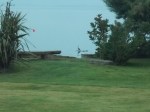
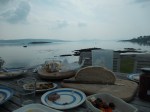
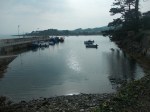
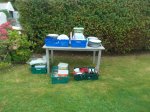
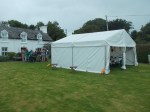
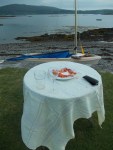
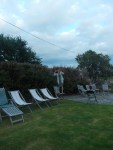
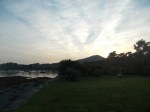
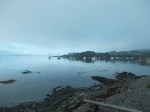
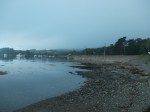
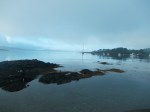
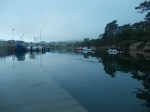
This is what it looked like at about 8.00 am last Sunday.


And then the holiday draws to a close. The sun may still be shining but there will be the drive back to Dublin, the ferry to Holyhead and the long haul home. There will be the putting on of socks and a suit and the journey to a desk at work.

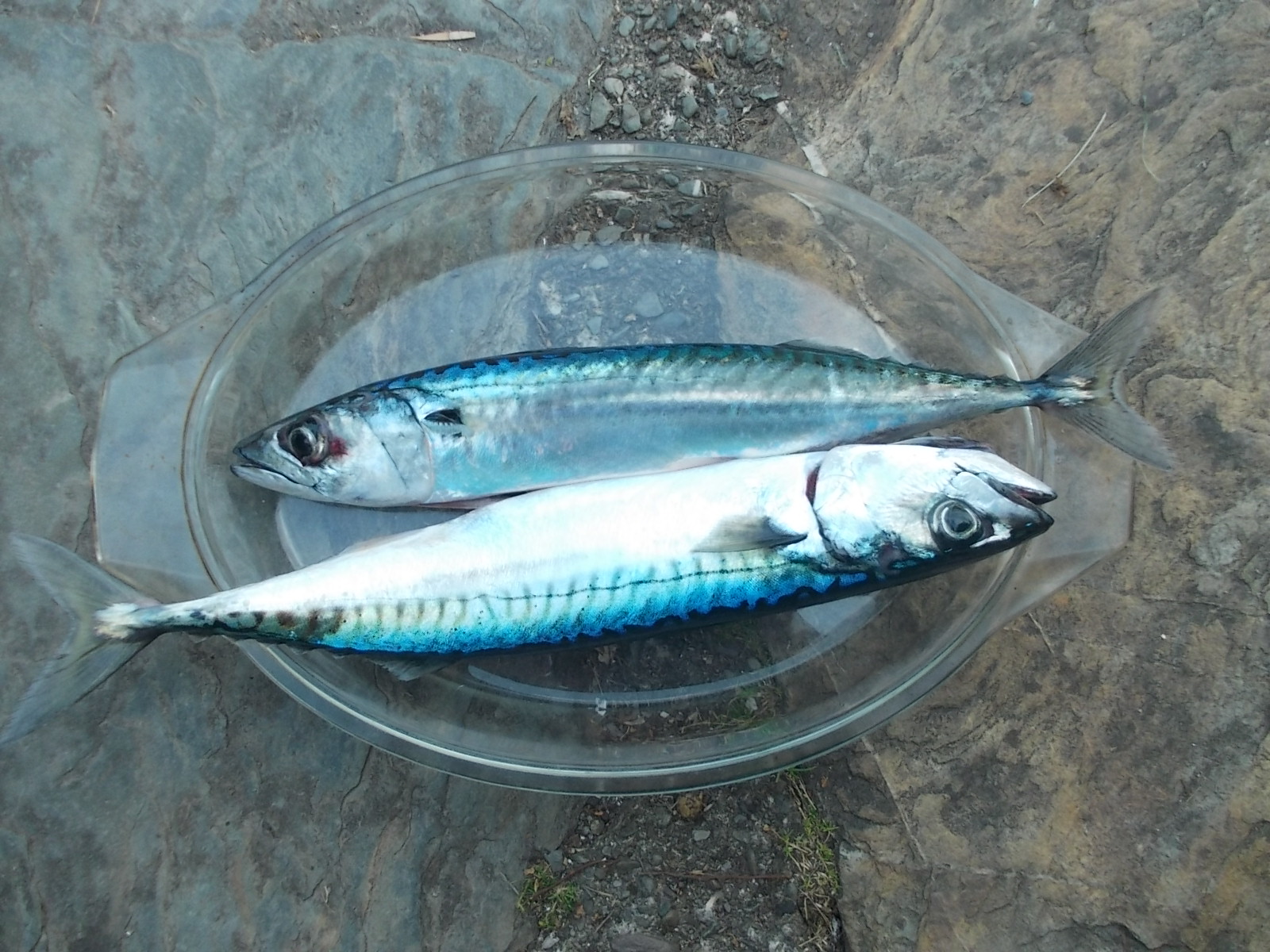
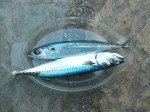
The mackerel will chase the sprats in on a falling tide. If the weather is calm you may see them boiling the water just off the rocks at the bottom of the garden, an unusual ruffling of the otherwise smooth surface and the occasional glimpse of a mackerels fin or tail caught for a second in the light.

As the tide goes down it creates small bays amongst the rocks and seaweed and there one day the sprats were driven in out of the deeper waters and became trapped amongst the dense tight floating brown of the seaweed that divides off the bay. A group of fifty or so seagulls gathered for the feast. Some stalked the rocks, heads darting down through the weeds, coming up with a small silver fish a couple of inches long which disappeared before they went looking for more. Two Great Black-backed gulls strutted imperiously bullying the other smaller birds aside to get top picking, the rest mostly herring and common gulls. Half a dozen terns flitted through the air, dropping their wings and diving into the water and then up again in a flurry of white and water, up into the air to swallow their catch and then back down until another opportunity was spotted and then in and up again. They were there for almost two hours as the tide went down, the water for the sprats diminished and in their panic the few survivors could be seen jumping out of the water only to be snatched away until the water had gone with the sprats and the black weed hung wet and heavy against the rocks.

The gulls took their leave noisily pulling away back to Owen Island calling complaint to each other onwards again looking for more food.

The following day was the end of that year’s holiday and we were facing the long drive back to Dublin. It had taken longer than expected to clean up and pack and we were running late. There would be no time to stop for lunch and we would have to do the 5-hour drive in one go. At last the car was packed and we were ready to go. There was no time for a last cup of coffee. We had to be off.

Galen had been ill that year and as we chided him to move towards the car he talked of being ill and how this had impinged on his enjoyment of the holiday. I suggested a final walk on the pier

Reluctantly Galen came holding my hand. Cora skipped behind. It was a cloudy grey morning. The sun still waiting to breakthrough although there was blue sky over Rosskerrig. After we had gone the pied wagtails would continue to strut their corner of the lawn and the empty Cottage would still held in the thrall of the gulls calls from Owen Island.

We did not get far down the pier before we saw that the water was sparkling. The sprats had been pushed in up to where the water lapped halfway up the slipway. They milled just under the surface in their thousands. At first I thought that the sparkle was the light catching the water as they broke the surface but then I saw that it was the brilliance of their colours just under the surface. We could see them as they swarmed. Some of them appeared translucent and others carried hints of the pinks, blues and green that move over the belly of a mackerel just after it has been caught. The colours changed as they moved through the light. It seemed a small miracle in the rush to be off, the tempers lost and frayed with the thought of the journey and the drudge back to work next day. They appeared as distant stars do in a black night sky merging back into the dark but out of the corner of my eye they kept coming back another faint prick of light lost with all the others. We turned and walked quietly back to the car.


With the rising of the moon from November Dark the mackerel made their way to deep water.


DSCN1666


Good to think that this year we will be back in the pub this Friday to celebrate a party!

Walking around Gortavallig.

Looking out of the window the weather is grey and full of too much character; the wind is gusting in from the water and each squall sends across a burst of rain. The sky is nothing but a sheer wall of grey in front of us.


Thursday was bright enough for a walk round Gortavallig.

Down by The Cove where JG Farrell slipped off a rock whilst fishing and drowned the water churned up against the slipway. It looked wild and angry and it wasn’t hard to imagine how difficult it would be to climb out again should you fall in.

Further up the hill towards the old mine workings the wind was strong enough to blow back a stream as it tried to flow down a cliff and specks of white sea drift floated through the air.

We had lunch by the collapsed miner’s cottages – a row of about five stone huts high on the hill looking out over Bantry Bay. The miners were brought in from Cornwall to search for copper ore for a couple of years in the 1840’s. Unfortunately the dreamed for riches were not to be found and the mine closed after just two years.

We were there on a day in August but the wind still blew hard through the cottages and the sky that was being blown in from the Atlantic was heavy with rain. It must have been a wild and terrible place a hundred and fifty years ago on a winter’s day.

The rain stayed away for us and we were able to finish the walk ambling along the quite country lane that would its way through green fields back to our car.


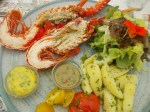
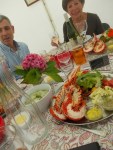
That evening we had a lobster soup.

Four lobsters from Tommy Arundel. I cooked them two at a time in a large pan of boiling sea water. As they cooled I sweated onions and garlic in olive oil in the same pan in which I had cooked the lobsters.

I took the lobsters outside to split them and prise out every last nugget of white meat.

The shells then went into the pan and I cracked them with the back of a wooden spoon. I then made use of the Pernod, pouring some into a ladle, setting it alight with the flame from the stove and then tipping it into the pan. The flames were big enough to light up the whole kitchen.

I then sloshed in some white wine, a couple of tins of tomatoes, tomato puree, a handful of fennel from the pier patch and topped it up with water. Seasoning was salt, pepper and a few crushed chillies.

To eat I strain the liquor out of the pan and then poured it back in and stirred through the lobster meat to heat through.


We ate it with bread listing to Exile on Main st.

A walk up Rosskerrig

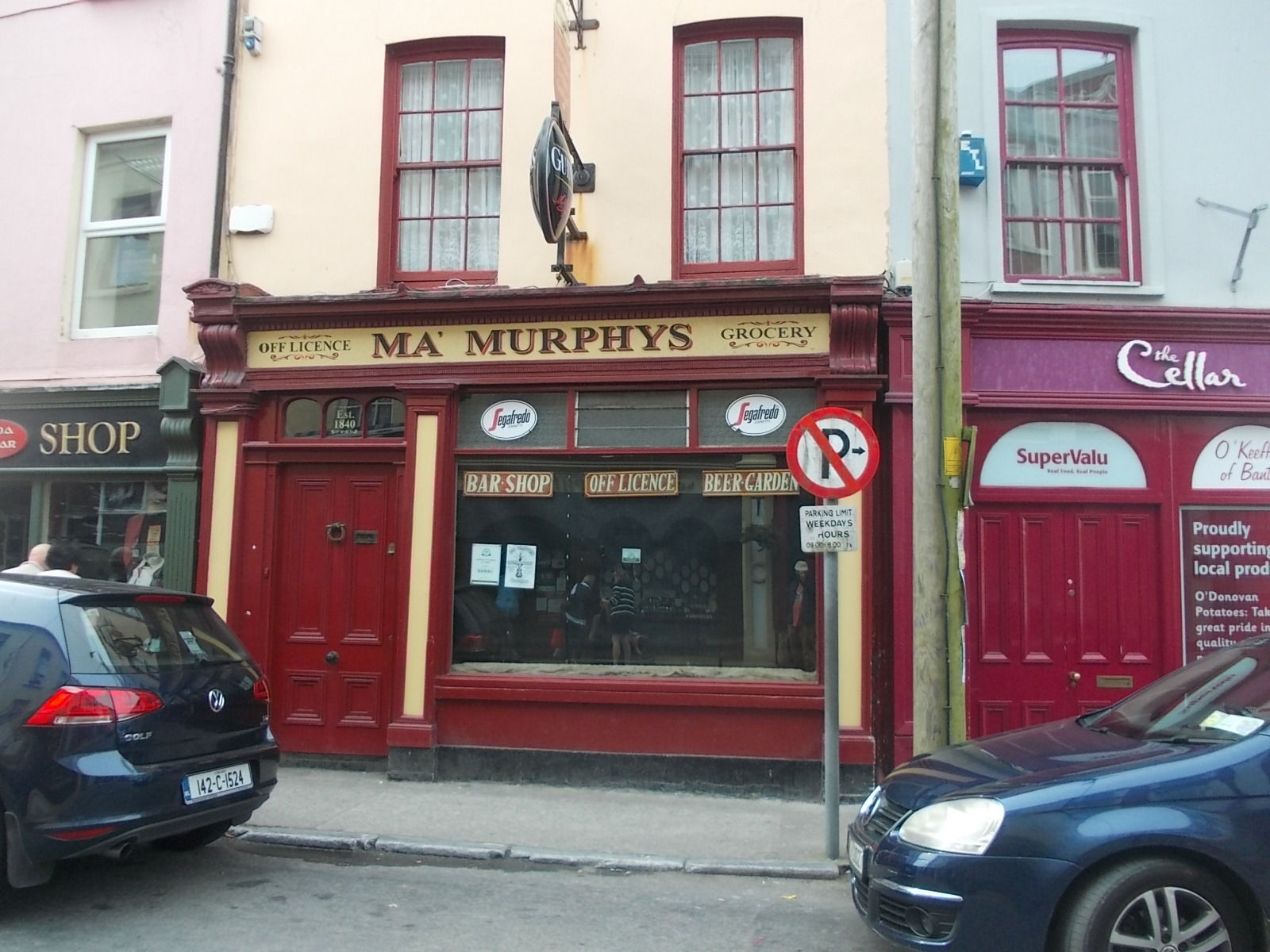
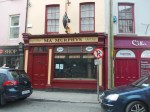
We celebrated a 17th birthday Tuesday night in the top room in Arundel’s Pub.

It had rained heavily during the afternoon but the skies had cleared by the time we walked up there leaving the ground slick with wet.

It wasn’t a late night and as we parted Hugh and I arranged to meet at 8.30 the following morning at the crossroads by the bridge over Ahakista Stream for a walk to the top of Rosskerrig. In the clear evening sky we told ourselves that it would be good day for walking.

It was windy but dry when we met up and started on up the road up the hill behind Ahakista. This was the old Mass Road. There are no churches on the north side of the Sheep’s Head so those living in its few scattered houses and farms would to cross over the spine of the peninsula to attend the church in Ahakista to celebrate mass. The path crosses over through one of the low pinches of the central ridge.

Most of the walk up was easy going on a tarmac road, it was only as we got almost towards the ridge that the road fizzled out and we had to follow the signs taking us to the top.

At the top we could just about see through the cloud hanging over Bantry Bay to the mountains on the Beara. Behind us and to the south the air was clearer and we could see back down the bay towards Durrus. For a while the sun came out over the bay silvering the water.

We continued to walk along the ridge of the peninsula – Bantry Bay to the right Dunmannues Bay to the left. We paused every so often to take in the air and the view.

At the top we could see through the bracken the marks of old walls from when people had tried to scratch a living out of the rough ground. There was even the layout of what could have been an old shelter of some sort – a large headstone and at right angles to it a row of four five flat stones.

The wind started to bear down on us at the top. It was coming from the south and every time we got into the lee of the hill on the north side there was a small relief from it bearing down.

Heads down making our way I saw a toad in the path. It sat there impassively waiting for us to pass.

As we came down from Rosskerrig the cloud start to lower and we felt the first few specks of rain that was to last for the best part of the rest of the day.

On the hill it hit us hard in the face stinging our cheeks and it was only when we were through the steep creases in the valley, up and down, that it started to soften.

Two and an half hours after the walk started Hugh fed me bacon and black-pudding .


The rain hardly stopped all day. Back at the Cottage I watched the fishing boats come in to the pier. Out on the water there was a grey wall of cloud and the water was churned into a mass of white horses.

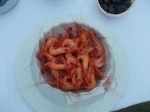
I felt guilty asking if I could buy a bag of prawns. All that hard work on the water to keep us fed with a few mouthfuls of food.


The day of the festival

‘Feck the feckin’ feck the feckin’ fecks got my finger.’

DSCN8018

The afternoon had started well but with Pat O’Mahoney’s burst of extravagant language the chairman’s heart sank .

One of the two nuns looked at her sister and shook her head sadly ‘Was that the ‘f’ word I heard in there?’

The sister had been listening carefully ‘No dear I think he managed to avoid that word he was only feckin’ the feck.’

The chairman cast his mind back over the afternoon.

Michael Noon had won the Turnip Throwing Cup, smashing all previous records, with the throw of a turnip grown by Edna O’Malley especially for the event. She claimed that a regular feed of rotten mackerel manure in the three weeks leading up to the competition gave the turnip an ability to sail through the air more quickly than turnips left to fend for themselves.

There had been some debate as to whether it was possible to extract enough manure to make it worthwhile feeding a turnip but Edna swore that she had her methods and that if you had a bucket to hand and squeezed them right as they came out of the water then a supply could be had. It was then a question of selecting the turnips for the feed. They only needed a few drops so it was no great bother.

Michael Noon put the win down to local knowledge of the hilly terrain from where he undertook the winning throw and the strength in his throwing arm to time well spent hauling in lobster pots, others whispered that it was time less well spent lifting pints that built up the muscle.

The Car Smash had gone a treat. Patrick O’Riordan had donated his old pink Mini Metro for the day and it had taken seventeen youngster, togged in goggles and helmets, to reduce it to a pile of broken and twisted metal, plastic and glass with a sledgehammer over the course of the afternoon. There were a few injuries but these had come about more from a misapplication of the sledgehammer rather than anything to do with the car. The hunt was now on for another Mini Metro that could be donated for next year’s festival.

The swim races and raft race and all passed off with no incidents. There had been acrimony in previous years with there being a suggestion that some of the youngsters were not as young as they claimed and there had been a manipulation of birthdates. There problem came to a head when two six foot lads with too much hair on their legs claimed they were eligible for the under thirteen freestyle across the bay. They had been allowed to compete but some of the smaller lads all but drowned in their wake. The Chairman’s bright idea that all competitors produce a certified copy of their passport had brought some order to the event .

A last minute replacement for the duck chase had been found and it proved to be eminently suitable keeping the competitors at bay for a good ten minutes and it was adept at getting away just has some lad was about to make a grab for its tail-feathers through the water. The winner had able to keep a hold of the duck without breaking its neck and there was general agreement that it should be kept available for next year.

There was a great deal that had been a success but now as an arc of bright blood smeared it self over the pier the chairman had to gird his loins in order to deal with the root cause Pat O’Mahoney’s burst of extravagant language