Most people reading this from Birkenhead will know about Wards Fish but when we came here from South Liverpool almost thirteen years ago we did not know it was there. In Liverpool it seemed that the only fresh fish to be had were from the counter of the local Sainsbury’s, from one of the sparse slabs still to be found in St John’s Market or from the occasional foray to the faded Victorian splendour of the recently re-housed wholesale fish market were I knew one of the wholesalers who was happy to sell me fresh fish if I wanted it. The wholesale market was the best bet and I remember buying a huge chunk of tuna from there once to be cooked for friends over from Spain and another time great bags of tiger prawns fried with garlic in a small kitchen for a friends 40th birthday dinner. But once in Birkenhead the market was a Saturday morning trip through the tunnel and too far away apart from the odd treat.

Then as we came up to Christmas in our first year Andrea told of the fishmongers she had come across on a trip to Birkenhead Market to buy school clothes for one of the kids. They even sold oysters! Although we had been there for more than six months I don’t think I had yet made the trip to Birkenhead Town Centre. I remembered the Market from trips there from when we lived in West Kirby before I was 10 and before it burnt down in the 1970’s. I can’t remember what is was we went there for but I do remember parking in the streets off Hamilton Square and that it was a dark, closed and mysterious place. Maybe my mother was buying fish although she never ate it having been put off by memories of her childhood by a canel in Holland and her brothers catching fish out of the muddy water and cooking it straight in a pan with butter. Her face still puckers at the memory. We had moved to Chester when we heard about the fire and I was sad that it had burnt down and I knew that something would not be the same again. When Andrea told me I think I was surprised it was still there.
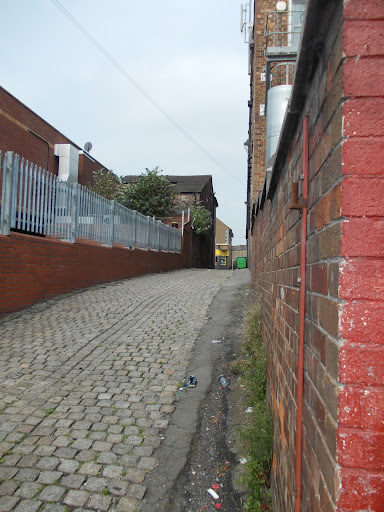
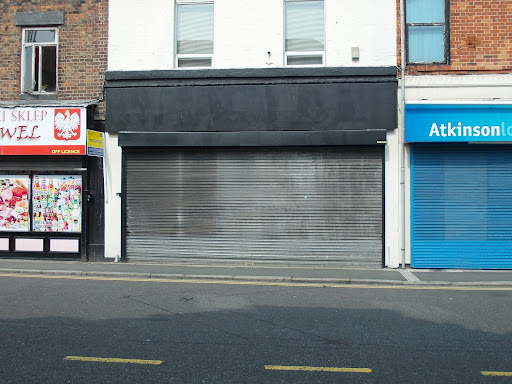
It took another few weeks before I made the trip into the town centre parking on the open car park that is now part of the Asda. There are parts of Birkenhead that are some of the most deprived areas of the country and there is no getting away from that being reflected with the town centre. Apart from the Asda there are very few shops that have opened and during the years we have been there the roller shutters have gone up on an increasing number of shop fronts and even the charity shops are shutting up for business.



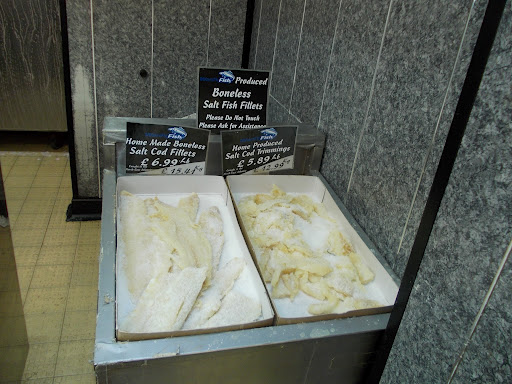
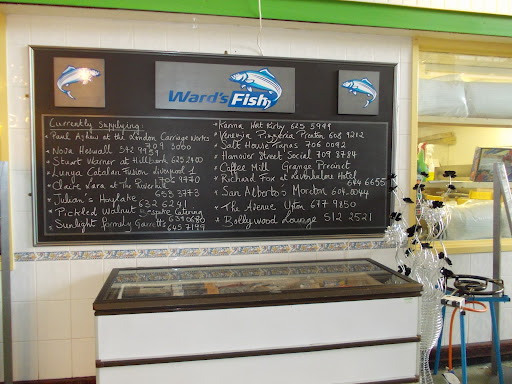
It would have been nice to have gone back into the market and found it to be a haven of foodie delight but unfortunately it wasn’t. There was a food hall but the butchers and grocers were utilitarian and there wasn’t much to tempt you back again unless you were wanting cheap chicken and hunks of cheddar. But around from Billy’s Corner and past the newsagent was the Fishmonger’s Aisle with three stalls – Beryl’s Plaice, Prenton Fish and Wards. The first two were better than the sad slabs in St John’s Market but Wards was of a different order and it has been part of my regular Saturday morning food shop ever since. For many years I would make the trip into Birkenhead just to get some fish from Wards – although I would also make the occasional foray to pick up some dodgy music from the tight shelves in Skeleton Records. However over the last few years the grocers and International Store have opened up on Oxton Road and it is now possible to do the whole food shop for the weekend without having to go into a supermarket – although there is a good range of beer in Asda.
The theme song to Cheers had a line in about a bar where everyone knows your name. Wards has become a bit like that. I was never quite sure how they learnt my name but somehow they did and now they sometimes know what I am eating on Saturday night before I do if we are eating with friends and they have been down there on a Saturday morning to pick up fish for supper
This last Saturday we had Silver Dourade on the barbecue. One for me and the other filleted once cooked for Andrea and the girls. I had asked Simon what was good and they came top of the list.The mackerel looked good as well but we will be eating those next week in Ireland fresh out of the sea.
There is a fennel plant in the garden which has grown gargantuan over this summer so I cut some of the fronds and put those on the coals as the were heating up. I did nothing to the fish apart from taking it out of the fridge and laying it straight on the grill. They cooked perfectly in about 15 minutes turned over once.
I put more fennel on the grill as the fish cooked although I careful not to get it on the fish as I have been told that as the fennel fronds crinkle and curl in the heat they end up looking like a neat pile of pubic hair and this can apparently be off putting for some as they eat their fish.
I had planned to douse the fish with the remains of a bottle of Ouzo before serving them but it transpired there was only a drop at the bottom so rather than a great whoosh of flame to finish the fish off all we had was a dull fizzle.
Notwithstanding the lack of Ouzo they were delicious – sweet nuggets of white flesh pulling away easily from the bone. The skin was blackened and charred but it had kept them moist.
We ate them with the doors at the back of the house wide open into the early evening a pink sun going down behind the trees listening to Josh Rouse.